

About Gamma Knife Radiosurgery
Introduction to Cranial & Skull Base Endoscopic Surgery
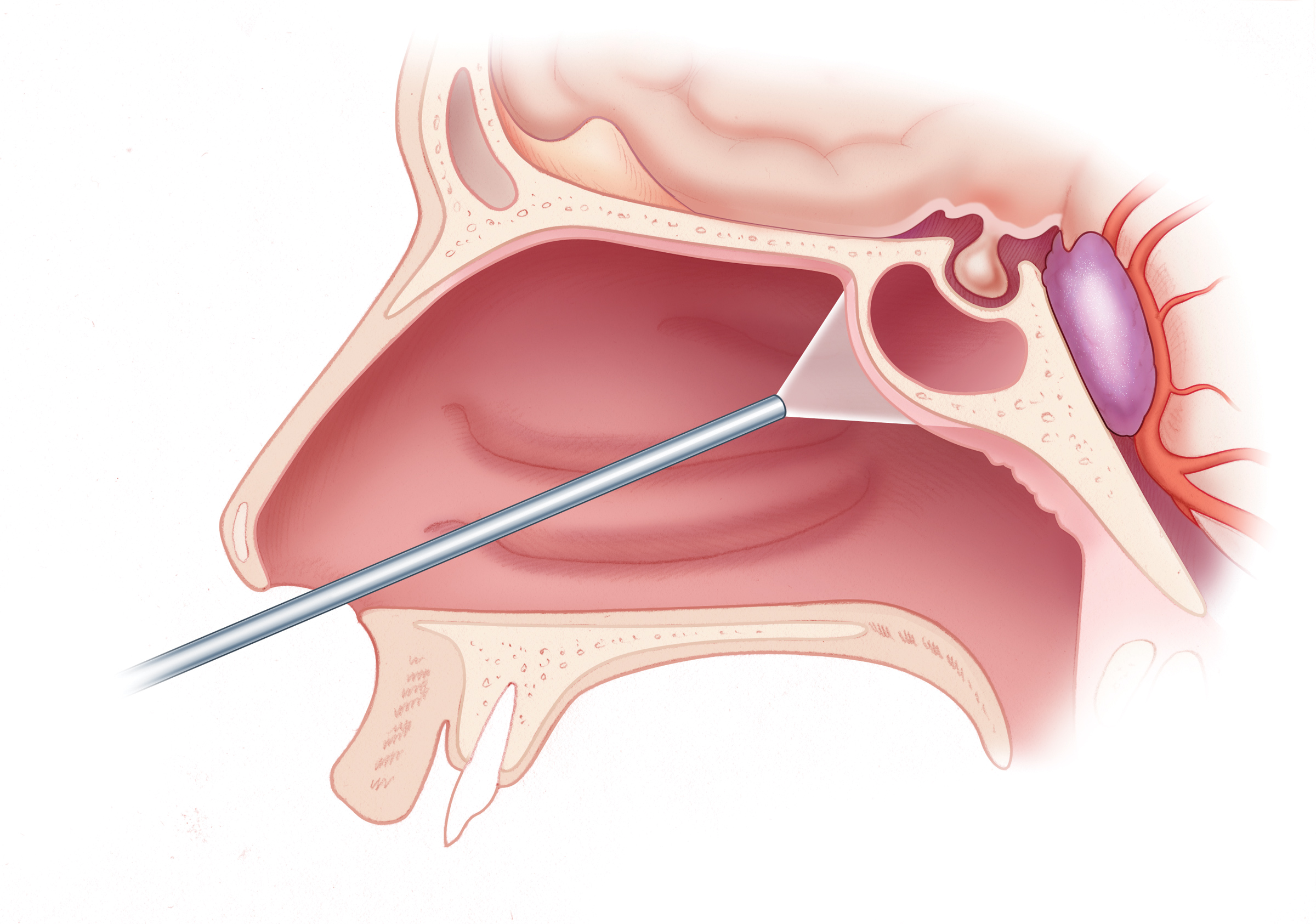
A highly specialized, minimally invasive neurosurgery procedure called cranial and skull base endoscopic surgery is used to treat complex disorders at the base of the skull and deep within the brain, such as tumors, cysts, vascular lesions, and leaks of cerebrospinal fluid (CSF). This method minimizes damage to normal brain tissue and vital neurovascular structures by accessing deep-seated lesions through natural corridors, most frequently the nose (endonasal route) or tiny keyhole incisions in the skull. Therefore get in touch with us now because Best Cranial & Skull Base Endoscopic Surgery in Thane.
Compared to conventional open methods, high-definition endoscopes offer enlarged, lit views of the surgical field, enabling surgeons to work with more precision and visualization. Planning and carrying out these treatments requires multidisciplinary cooperation between neurosurgeons and ENT (ear, nose, and throat) surgeons. This ensures both safe tumor removal and the best possible restoration of the skull base to avoid complications like infection and CSF leakage.
Preoperative Planning and Imaging
In order to determine the precise position of the lesion, its proximity to important blood vessels and nerves, and the most effective minimally invasive approach, the operation usually starts with comprehensive preoperative imaging, such as MRI and CT scans. Similar to GPS, navigation devices are frequently utilized during surgery to safely guide tools through constricted anatomical passageways. Therefore get in touch with us now because we provide Best Cranial & Skull Base Endoscopic Surgery in Thane.
Surgical Technique and Reconstruction
The optic nerves, pituitary gland, carotid arteries, and cranial nerves are among the vital tissues that are preserved when the lesion is removed using specialist micro-instruments after the endoscope is inserted through the nostrils or a tiny cranial orifice. After the lesion is excised, the skull base is rebuilt utilizing tissue grafts, vascularized flaps, or synthetic materials to reduce the possibility of CSF leaks by creating a solid barrier between the brain and the sinus or nasal cavities.
Benefits, Indications, and Follow-up
Compared to conventional open craniotomies, cranial and skull base endoscopic surgery may have a number of advantages, such as fewer or no external incisions, less pain following surgery, shorter hospital and intensive care unit stays, a lower risk of brain retraction injury, quicker recovery, and better cosmetic results. Pituitary adenomas, craniopharyngiomas, meningiomas, chordomas, skull base metastases, and certain vascular and inflammatory lesions are among the conditions for which it is frequently utilized. Careful case selection based on tumor size, extension, vascular involvement, and patient health is crucial because not every patient or tumor is appropriate for an endoscopic approach. It is typically necessary to have long-term follow-up with MRI, endocrine evaluation (for pituitary region procedures), and eyesight assessment. Visit to our clinic now and consult with our one of the Best Cranial & Skull Base Endoscopic Surgery in Thane.